Pump-outs on the city's schedule, with the records to show it

Grease Trap and Interceptor Pumping in Mesa and Phoenix

Pump and clean restaurant grease traps and grease interceptors across Mesa, Phoenix, and the Valley, on the schedule your city requires, with the service records kept for inspections. One Call also jets the lines and repairs the interceptor and its piping.

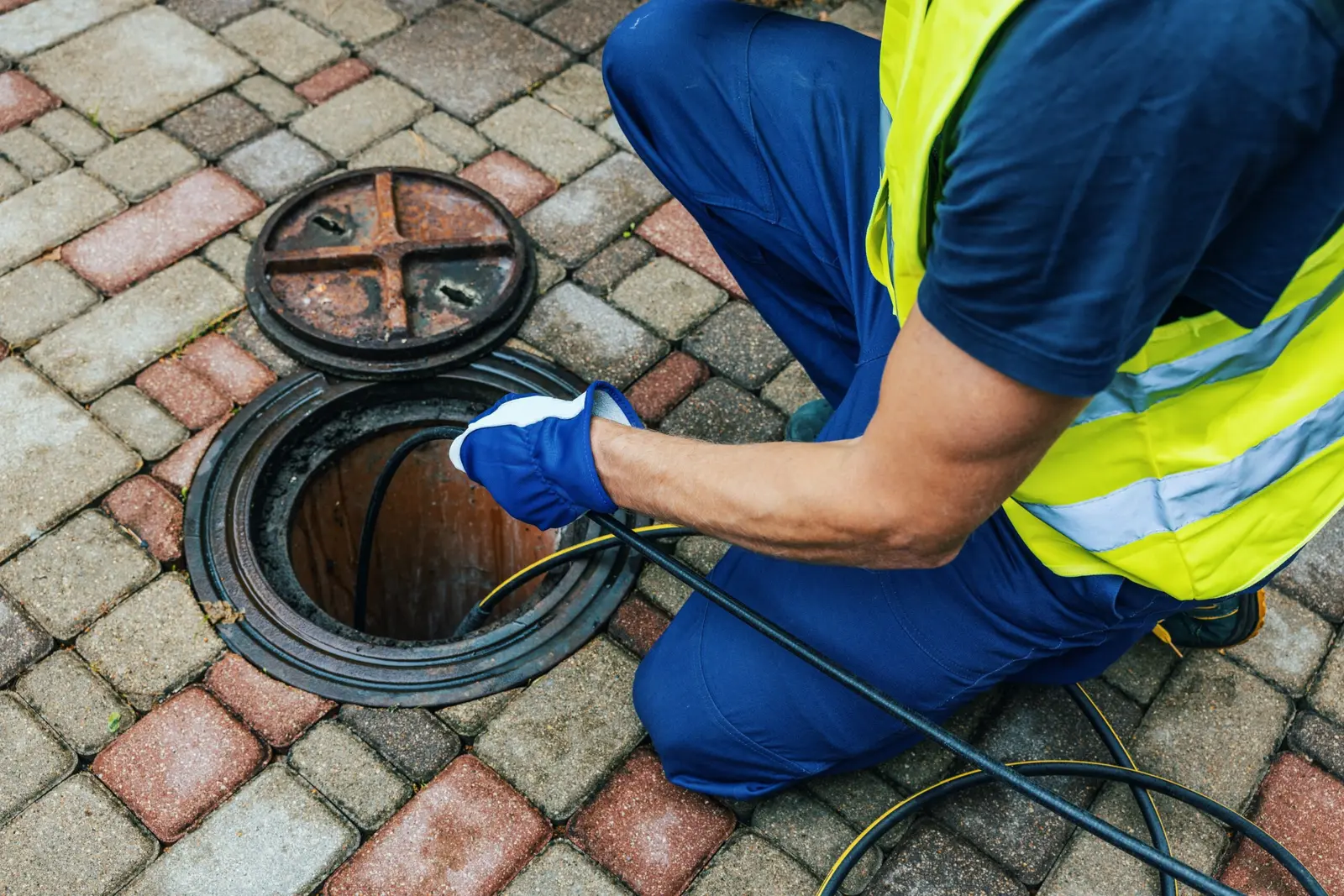
Commercial sewer line cleaning equipment

Watch for these signs

When the interceptor needs attention

  • The next pump-out is due or overdue
  • Grease and solids are close to the limit your city sets
  • Kitchen sinks or floor drains slow down or back up
  • Grease odors around the kitchen or the interceptor lid
  • A city inspector asked for pump-out records or wrote a notice
  • A new restaurant needs its first pumping schedule

Our services

What we handle

  • Grease interceptor and grease trap pumping and cleaning
  • Scheduled pump-outs set to your city's requirement
  • Service records for each pump-out, for your on-site file
  • Jetting the kitchen lines and building sewer
  • Interceptor baffle, lid, and piping repairs
  • Interceptor installation and replacement

Your options

Setting the right pump-out schedule

We look at the cause, the condition of the existing system, and what will work best for your property.

01

The city sets the floor

Phoenix sets how often each type of interceptor must be pumped and how full it may get. Mesa requires the owner to keep the interceptor in continuously efficient operation and to set a regular cleaning schedule. Either way, your schedule can be more frequent than the rule, never less.

02

How full it gets between pump-outs

Menu, volume, dishwashing, and how well grease is kept out of the drains decide how fast the interceptor fills. Each pump-out shows whether the interval is right.

03

Lines and interceptor together

A clean interceptor does not help if the line before it is full of grease. Jetting and pumping work best on schedules planned together.

Around the Valley

Phoenix and Mesa grease interceptor rules

Phoenix's FOG Best Management Practices manual (June 2024) requires hydromechanical interceptors to be pumped every 30 days, or up to 90 days with a variance, and gravity interceptors at least every 3 months unless the city grants a variance. A full cleaning is required when grease and solids fill more than 25% of the interceptor, enzymes and grease-dissolving chemicals are not allowed, and records stay at the site for at least 3 years. Mesa City Code 8-4-22 has the owner maintain the interceptor in continuously efficient operation and keep records on site for at least three years.

Planning the work

What affects the price

  • Interceptor or trap size
  • How often it is pumped
  • Access to the lids and where the truck can park
  • How much grease and solids have built up
  • Repairs found during a pump-out, which are quoted separately

What happens next

How scheduled pumping works

  1. 1

    Tell us the location, the interceptor or trap size if you know it, the last pump-out date, and any city notices.

  2. 2

    We pump and clean the interceptor and look at the baffles, lids, and inlet and outlet.

  3. 3

    You receive the service record for your file and the next due date.

  4. 4

    Future pump-outs are scheduled ahead, around your kitchen hours.

Common questions

Before you schedule

How often does a grease interceptor need to be pumped in Phoenix or Mesa?

In Phoenix, every 30 days for a hydromechanical interceptor and at least every 3 months for a gravity interceptor, unless the city grants a variance. Mesa asks for a regular cleaning schedule that keeps the interceptor working. Our grease interceptor guide covers both cities in more detail.

Is a grease trap the same as a grease interceptor?

The names are often used for the same job. A grease trap usually means a smaller unit under or near a sink, and an interceptor a larger tank, often outside and in the ground. We pump and clean both.

Can pumping happen outside kitchen hours?

Scheduling depends on the location and access, but pump-outs can often be planned before opening or after close.

Do you also jet the grease line?

Yes. Line jetting is a separate job from pumping the interceptor, and the two can be scheduled together.

Get help

Request grease trap pumping

Tell us what is happening and our team will be in touch.

Call us directly

Call 480-663-2255

Talk with our local team.

Fields marked * are required. Share any other details you have.

Please leave out payment details and passwords.

Add more details (optional)Service: grease trap pumping. Change or add details below.

Up to four photos or PDFs, 5 MB each.

Choose a property type to narrow the service list, or leave it blank to see every option.

About the job (optional)
Text messages (optional)

Texts are not required to request or purchase service. This option applies only to texts about One Call Plumbing Services. Read our SMS terms and privacy policy.

By sending, you agree One Call Plumbing Services may call or email you about this request.

Waiting for the online form to load. You can also call 480-663-2255 to request service.

Real customer feedback

Trusted by Arizona customers

5-star feedback from One Call Plumbing Services customers. 4.8 out of 5 from 78 Google reviews (October 2026).

“They were polite, confident and took time to explain the problem and what they were going to do. They had to dig in the grass, but were as least destructive as possible.”

Angie B.Posted on Google, Jan 2023

View on Google (opens in a new tab)