
Repair parts and condition
A quality fixture with a serviceable cartridge or valve may be worth repairing. Corrosion, cracks, poor parts support, or repeated failure can favor replacement.
Everyday plumbing fixed correctly
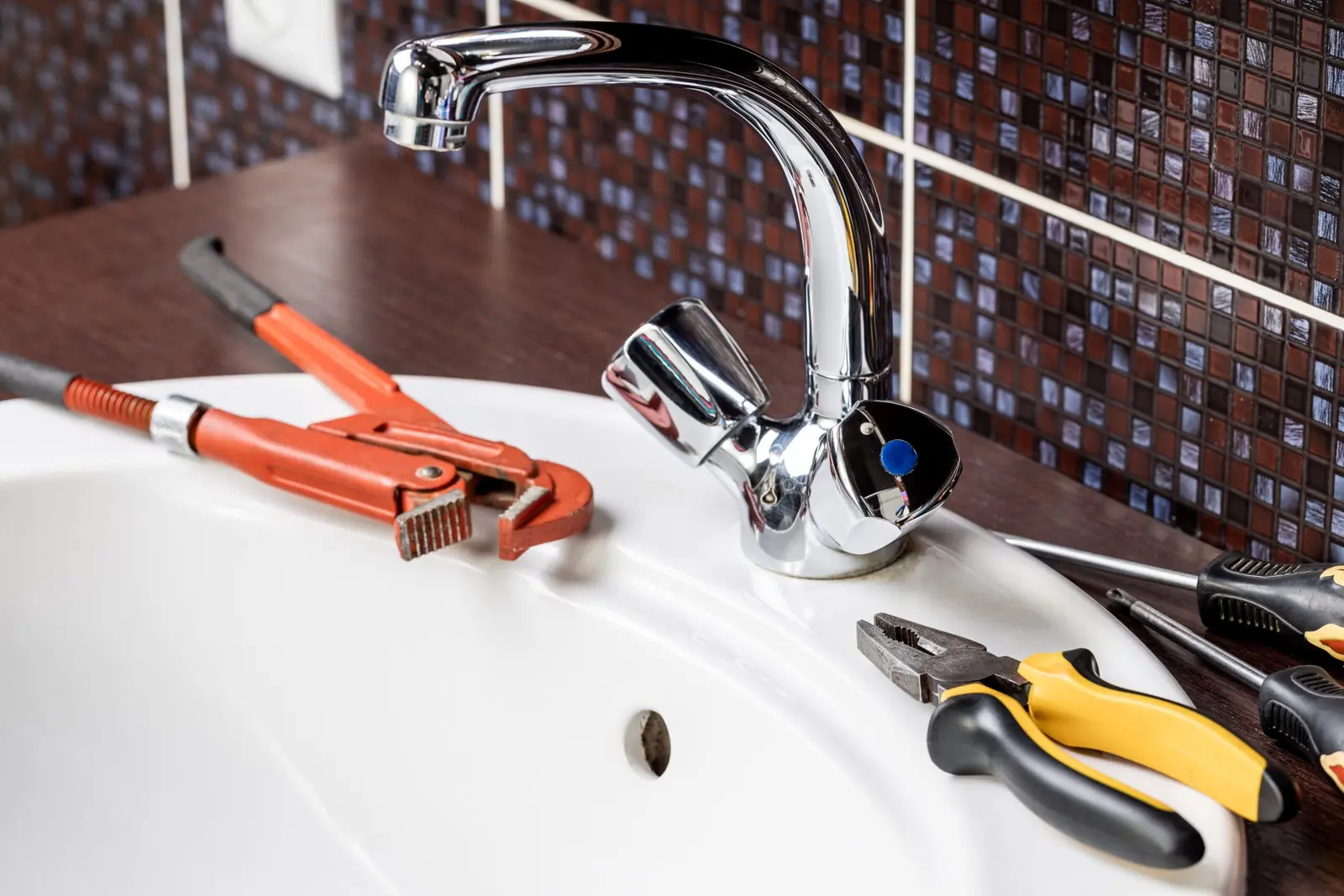
Repair running toilets, leaking faucets, failed valves, and worn fixtures before they waste water or interrupt the room you use every day.
Watch for these signs
Our services
Your options
We look at the cause, the condition of the existing system, and what will work best for your property.
A quality fixture with a serviceable cartridge or valve may be worth repairing. Corrosion, cracks, poor parts support, or repeated failure can favor replacement.
Old shutoffs, supply lines, rough-in valves, mounting surfaces, and drain connections can expand what looks like a simple fixture job.
A running toilet or drip can waste water. In commercial restrooms, durability, cleanability, accessibility, parts availability, and downtime also matter.
Around the Valley
Mineral scale can affect aerators, cartridges, showerheads, fill valves, flush valves, and shutoffs. Cleaning may help in some cases, while worn or damaged parts need replacement.
Planning the work
What happens next
We identify the fixture and exact failure.
Repair and replacement options are explained.
Approved work is completed with the correct parts.
The fixture is tested for operation and leaks.
Common questions
Usually, yes. A worn flapper, fill valve, seal, or internal assembly can waste a meaningful amount of water and is often straightforward to repair.
In many cases, yes. We will confirm compatibility, condition, and any additional parts needed before installation.
The water level, flapper or seal, fill valve, flush valve, handle, chain, bowl refill, and tank condition all need to work together. The correct diagnosis depends on the toilet design.
Helpful guides
Related services
Get help
Tell us what is happening and our team will be in touch.
5-star feedback from One Call Plumbing Services customers. 4.8 out of 5 from 78 Google reviews (October 2026).
“They were polite, confident and took time to explain the problem and what they were going to do. They had to dig in the grass, but were as least destructive as possible.”
Angie B.Posted on Google, Jan 2023
View on Google (opens in a new tab)“They did a great job on my sewer line replacement.”
Preston B.Posted on Google, Sep 2026
View on Google (opens in a new tab)“Rob did a terrific job.. on time.. very professional. Highly recommend”
Marjorie G.Posted on Google, Apr 2026
View on Google (opens in a new tab)